President
Matt McCauley
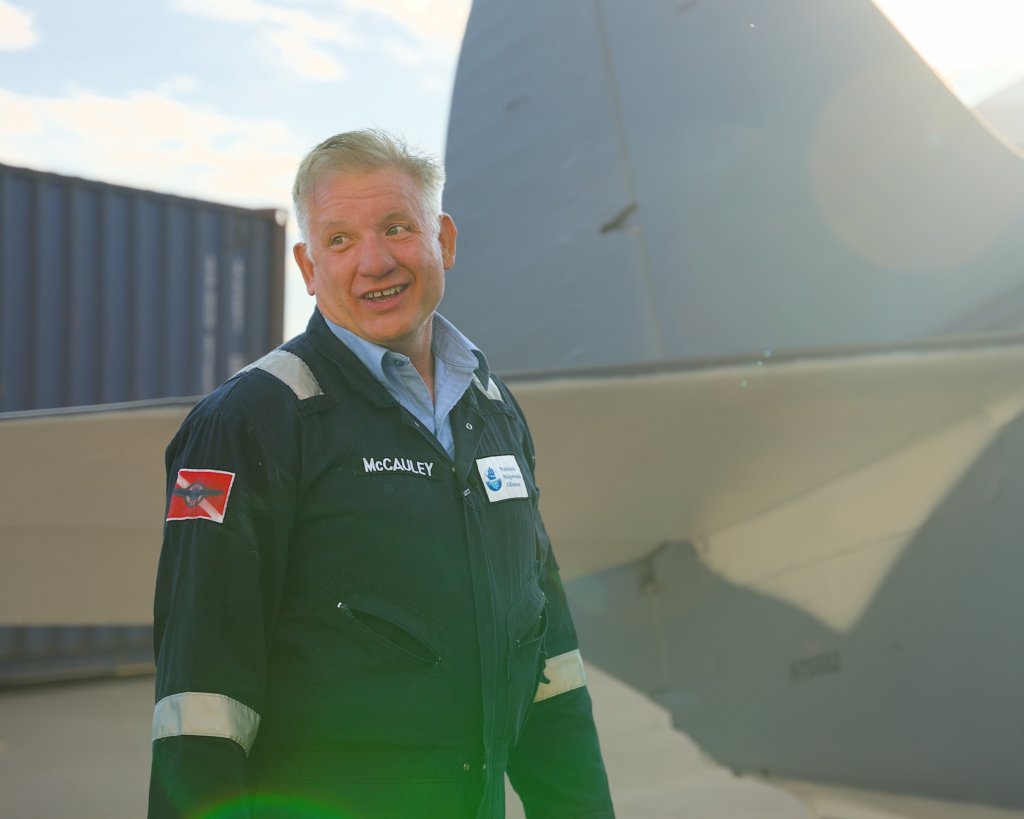
An alumnus of Mercer Island High School, Seattle University (BA, Journalism), and the Seattle University School of Law, Matt McCauley brings four decades of experience as a business owner, SCUBA diver, local historian, and writer. Certified as a SCUBA diver since 1979, Matt was a co-defendant in a federal civil suit filed in 1984 after he and his high-school dive partners salvaged the remains of a WWII U.S. Navy SB2C-1A “Helldiver” dive-bomber from Lake Washington. He later co-managed, with NSA Vice President and Director J. Avery Munson, the recovery of four additional WWII-era naval combat aircraft from Lake Washington in 1987, along with numerous other wreck projects over the years.
Matt is the author of two books and hundreds of periodical and online articles on local history. He co-directs KirklandHistory.org, a nonprofit online historical resource, and serves in multiple capacities within several local historical societies. He holds numerous SCUBA certifications through PADI, NAUI, SDI, and TDI—including underwater archaeology specialty certifications—and is also a graduate of the Maritime Archaeological and Historical Society’s underwater archaeology course. He is a frequent guest on the radio show/podcast Cascade of History and he has appeared on TV shows such as Expedition Unknown with Josh Gates.
Directors
J. Avery Munson – Director/VP, Head of Gulf Operations
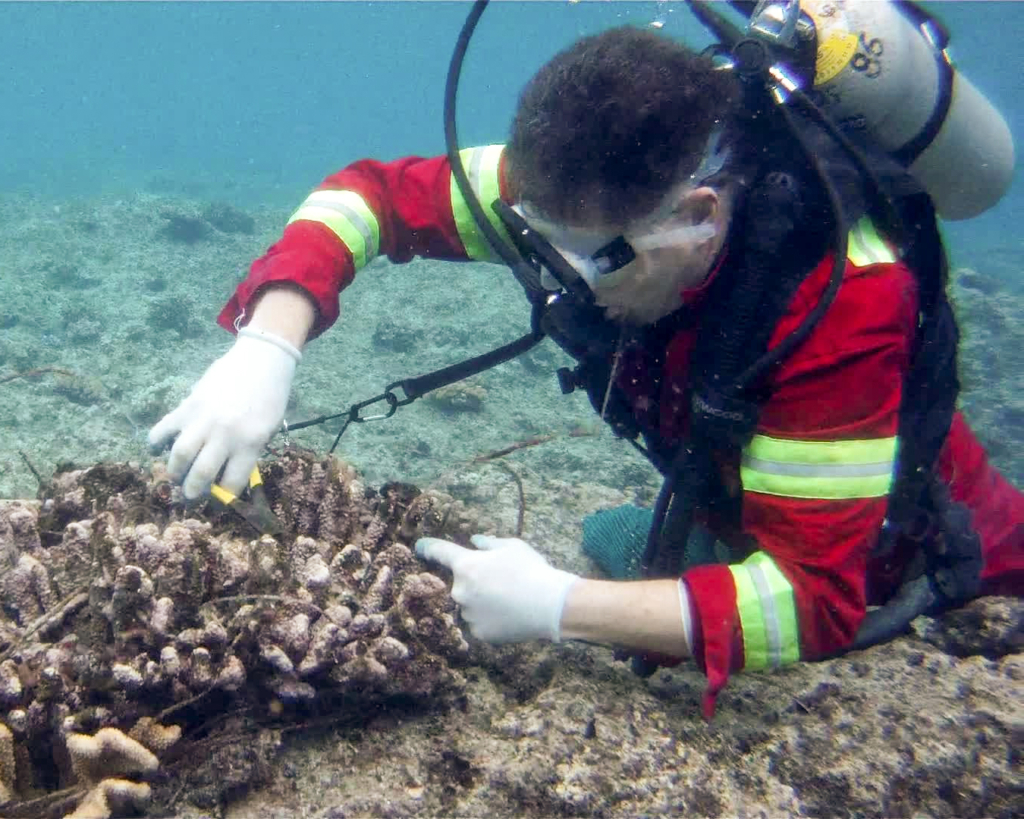
Avery Munson discovered his passion for shipwrecks early in life while growing up along the Bayou Teche in New Iberia, Louisiana. As a young explorer, he spent countless hours searching for remains of Civil War vessels such as the Hart. At age thirteen, an unexpected family move to Guam became a defining moment—two years of diving in Guam, Saipan, and Truk Lagoon cemented his lifelong dedication to researching and locating historic wrecks.
In 1981, Avery attended the East Carolina University Field School in New Bern, North Carolina, where he studied maritime history under Dr. William Still and maritime archaeology under Gordon Watts. This formal academic training broadened his understanding of underwater cultural heritage and strengthened the foundation for his future work in wreck discovery and documentation.
Avery later studied at Louisiana State University (General Studies, ’83), where family stories from his mother about German U-boats sinking ships in the Gulf of Mexico during World War II sparked deeper investigation. Initially convinced these accounts were wartime exaggerations, he set out to disprove them—only to uncover compelling evidence of U-boat victims from the summer of 1942. The research not only validated his mother’s memories but also deepened his respect for her insight. During this period, he collaborated with noted U-boat expert C. J. Christ of Houma, Louisiana.
Avery’s professional career began offshore as a geophysical surveyor, where he gained hands-on experience with marine positioning systems, magnetometers, and sonar technologies. A later move to Seattle led to a lifelong friendship with Matt McCauley and their successful recovery of five World War II aircraft from Lake Washington.
After three years in Seattle, Avery returned to Louisiana and rejoined the offshore oil industry. Working aboard semi-submersible drilling rigs worldwide, he served as a member of the marine crew and worked closely with work-class ROV systems. His rotational 28/28 schedule allowed him to continue pursuing wreck investigations during his time off.
In 1991, Avery played a key role in the discovery of the SS New York in the Gulf of Mexico, a project that resulted in the recovery of exceptionally rare U.S. coins. He later served as Commercial Manager for Mammoet Salvage Americas, gaining extensive experience in the legal, insurance, and operational aspects of modern salvage and wreck removal. This work took him to locations ranging from Cape Breton, Nova Scotia, to the Galápagos Islands.
Today, Avery leads the National Shipwreck Alliance’s Gulf operations, contributing decades of field experience, technical knowledge, and historic research expertise to the organization’s mission.
Robert F. Westrick – Director, Head of Marine Archaeology
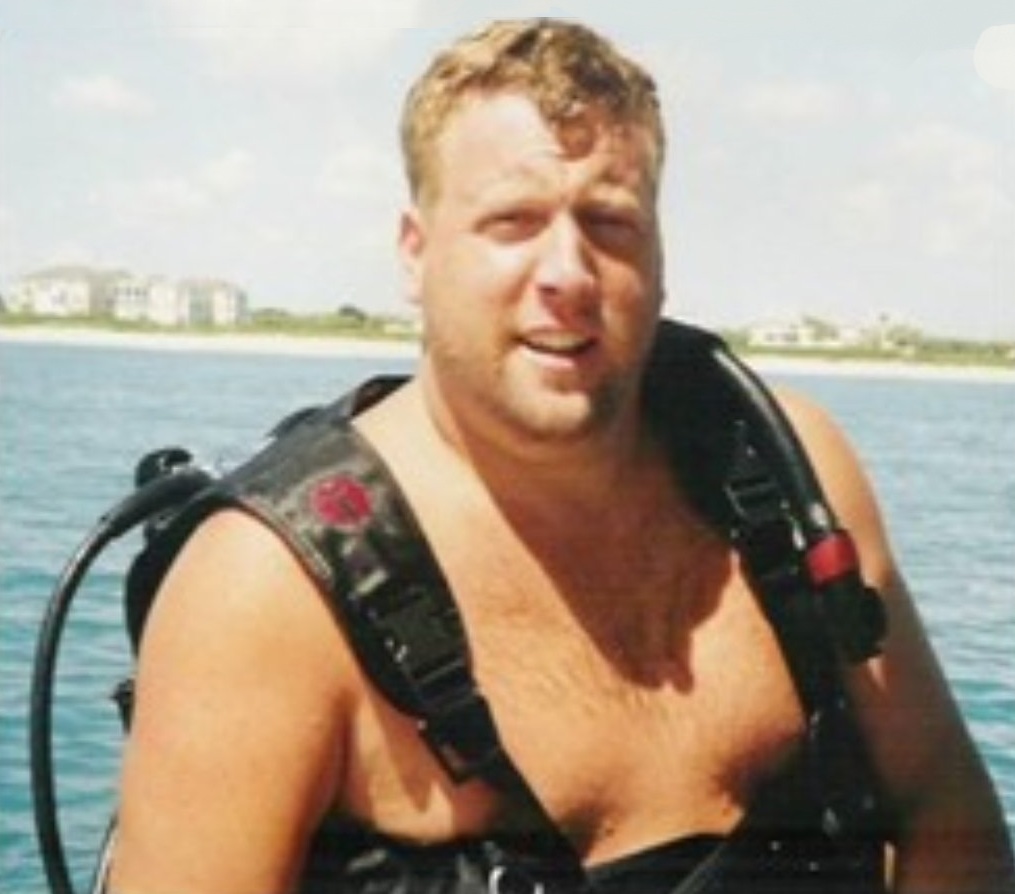
Robert Westrick holds a Master’s degree in Maritime History & Nautical Archaeology from East Carolina University. He is a registered professional archeologist. Mr. Westrick has worked on numerous shipwreck projects over the past twenty-eight years ranging from remote sensing surveys to complete excavation and mapping investigations. In 1997 he secured the necessary permits from the United States Navy, obtained funding from the Institute for International Maritime Research, and completed the first archaeological survey of the U.S.S. Peterhoff, a Civil War steamship lost off the coast of North Carolina. The Peterhoff was the first shipwreck ever to be placed on the National Register Historic Places, despite that distinction, no prior detailed archaeological survey had ever been conducted on the site. In addition to his work on various Civil War shipwrecks in North Carolina and Virginia, Westrick has worked on projects ranging from 17th century Spanish merchant ships off Bermuda to 19th century schooners in Lake Erie.
Mr. Westrick served as a senior marine archaeologist for C & C Technologies, one of the world’s leading companies specializing in the field of deep-water marine exploration and archaeological survey work from 2008-2018. He served as an archaeologist on the “Deep Wrecks” Project. The project, a four-year study in conjunction with NOAA and the Bureau of Ocean Energy Management (BOEM) of the U.S. Department of the Interior, utilized the latest in ROV technology to study six shipwreck sites located in the Gulf of Mexico. He was the principal investigator on a site dubbed “The 7,000-Foot Wreck” which was at the time of its discovery the deepest historic shipwreck ever found in the Gulf of Mexico.
In addition to his work on various Civil War shipwrecks in North Carolina, and Virginia, Mr. Westrick has participated on projects ranging from “the Stonewall Wreck” a 17th century Spanish merchant vessel wrecked off Bermuda, to the Captain Lawrence, a 19th century schooner sunk in Lake Michigan. Some of the other notable projects he has been involved with include Blackbeard’s Queen Anne’s Revenge (1717) off the coast of North Carolina, the 1715 Fleet off the coast of Florida and multiple scientific studies of the U-166, the only WWII German U-boat sunk in the Gulf of Mexico.
His publications include his Master’s thesis, The U.S.S. Peterhoff: An Historical and Archaeological Investigation of A Civil War Shipwreck (2001), An Investigation and Assessment of Civil War Shipwrecks off Fort Fisher, North Carolina (contributing author, 2001), The 1715 Fleet Bibliography, with Dave Crooks (2014); Finding the Fleet (2015); The 1733 Fleet Bibliography (2017); Oak Island: The Mysterious Money Pit (2020) and the Atocha – Santa Margarita – 1622 Fleet Bibliography, with Dave Crooks and Gail Swanson (2022) and El Nuevo Constante and Corazón de Jesus y Santa Bárbara: A Tale of Two Shipwrecks, with Charles E. Pearson (2025). In addition, he has written numerous articles in various publications. Mr. Westrick has also been the primary author on more than 400 archaeological reports submitted to various institutions and state and Federal government agencies. Mr. Westrick edited The Marigalera of the 1715 Fleet by Laura Strolia (2010) and The Tension Over Tinian by Edwin Sherman (revised 2019 edition). He recently finished writing U-Boat Tales: Mysteries, Myths & Mayhem Along the American Shores (in pre-publication).
Mr. Westrick is often sought out as an expert in the specialized field of marine archaeology and recently appeared on several episodes of the History Channel’s Beyond Oak Island.
Education: BA University of Toledo, MA East Carolina University
Current Position: Senior Marine Archaeologist/Principal Investigator
Coastal Environments, Inc., Baton Rouge, Louisiana
Devon Carroll – Director, Head of Media Productions
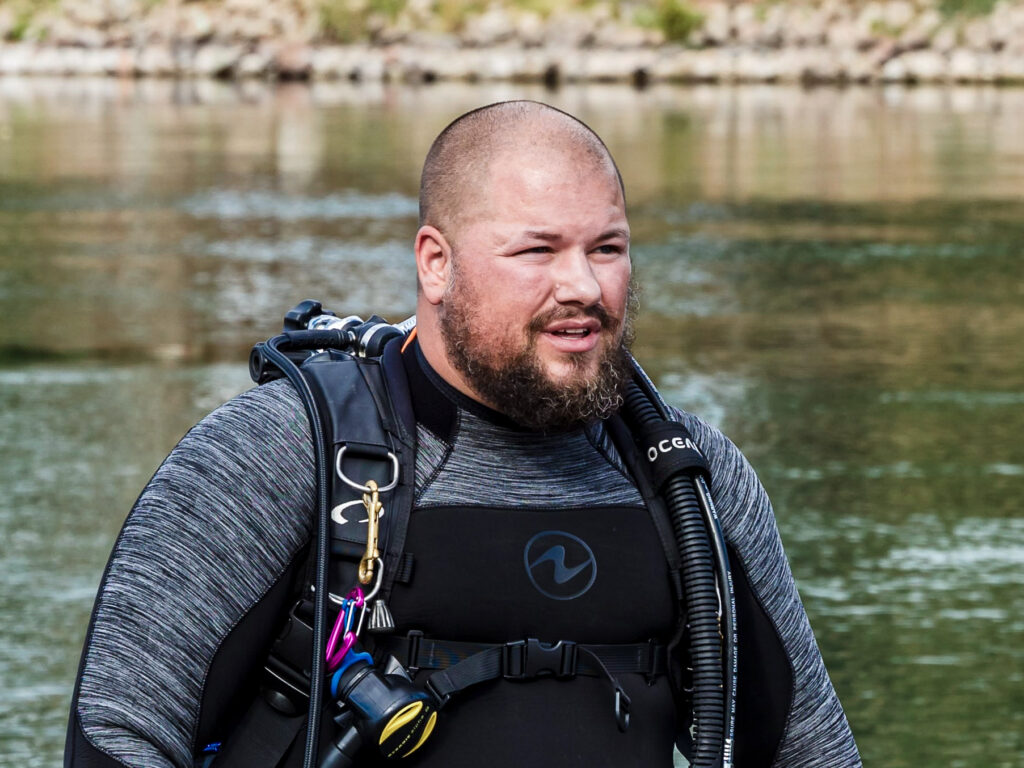
Devon is our dedicated media manager with a diverse background in diving, search and recovery operations, video production, and journalism. His journey into the underwater world began during his service in the US Air Force in 2012 when he took his first breath through a regulator in a swimming pool at Hurlburt Field.
Devon’s love for exploring underwater environments started in Florida, diving their many natural springs and the Gulf waters. This eventually led him getting involved in search and recovery operations in Oregon, where he utilizes his training in diving to locate and recover missing persons submerged underwater.
As a producer and camera person, Devon played a pivotal role in a large search and recovery YouTube channel. Specializing in underwater operations, he contributed significantly to the channel’s success by capturing compelling footage and assisting in the recovery of missing individuals. His dedication to this important work showcased his ability to effectively use media as a tool for positive impact and social change.
Transitioning into the realm of journalism, Devon brings a unique perspective and skill set to his role as a media manager. His experience in diving and search and recovery operations paired with his knowledge of storytelling through news media has equipped him with valuable abilities, attention to detail, and a commitment to accuracy and integrity in storytelling.
Today, Devon continues to channel his passion for underwater exploration and media into his work as a media manager for our team, leveraging his skills to share important stories, document lost history, and make a difference in the world.
Benji B. – Junior Director, Head of Youth Outreach
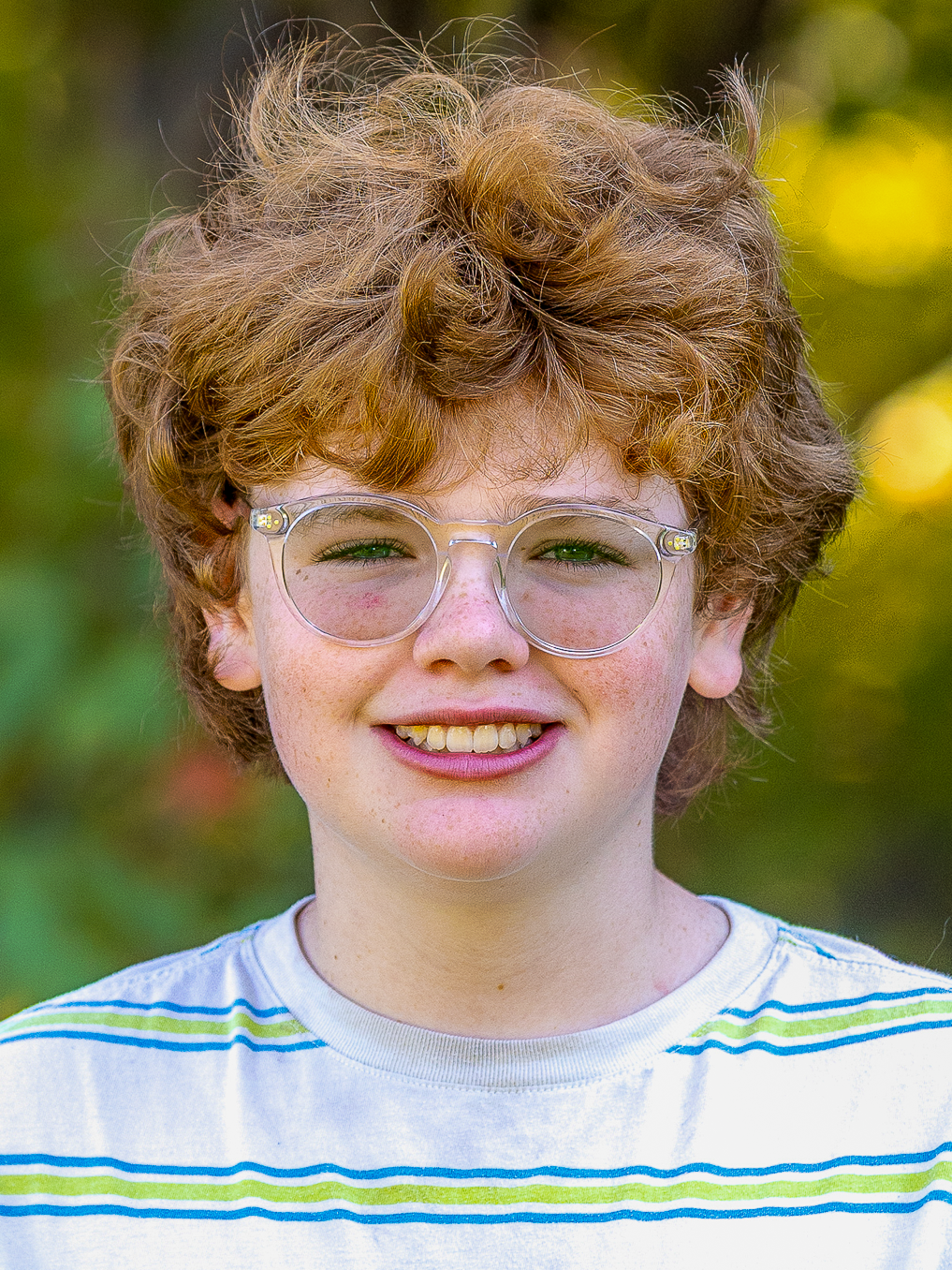
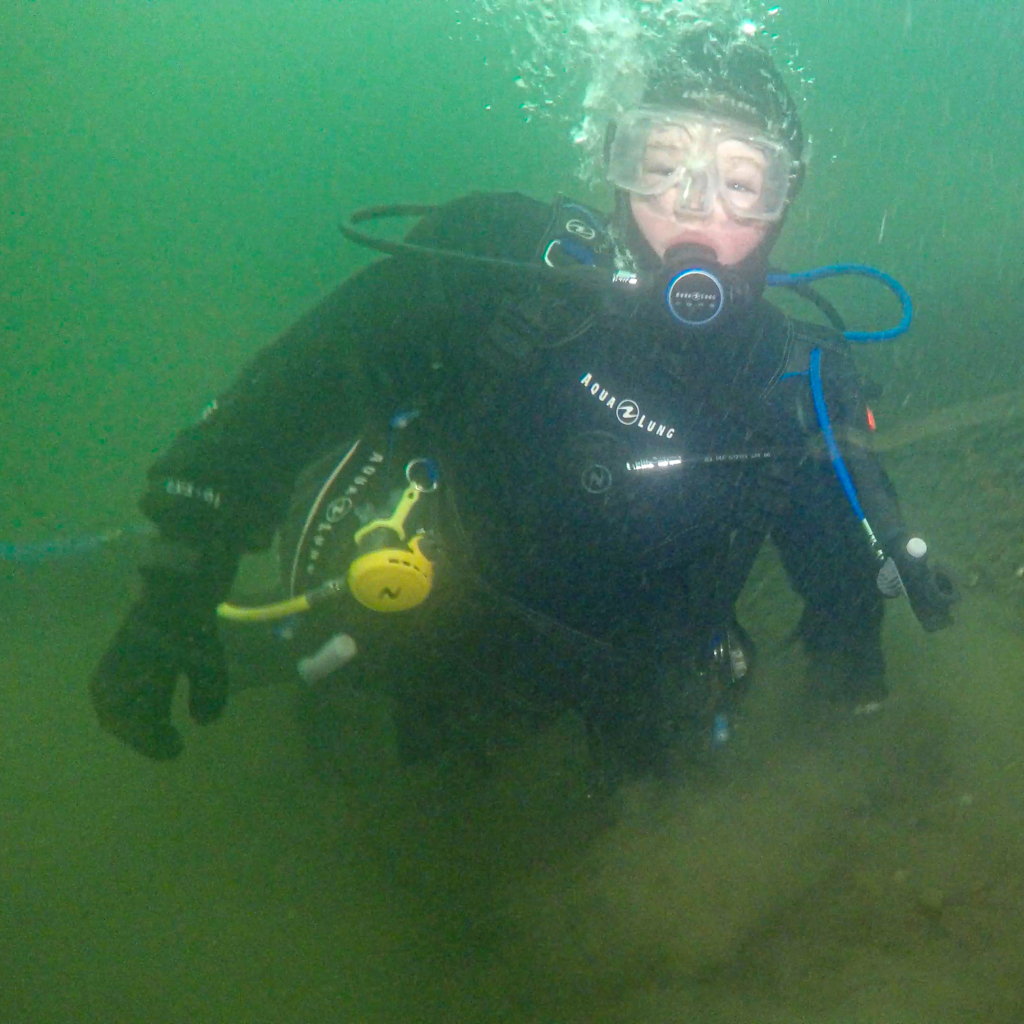
Benji has had a lifelong love of adventure and the water—swimming, fishing, and especially scuba diving, which he began at age 11. As the NSA’s non-voting Junior Director, he provides insight to the board on programs and initiatives that resonate most with today’s youth. Despite his young age, Benji has already explored several shipwrecks and is likely the youngest diver ever to visit a submerged World War II U.S. Navy aircraft wreck in Lake Washington near Seattle.
When he’s not diving or advising the NSA Board, Benji enjoys reading, camping, skateboarding, and spending time with his many pets. He is also an enthusiastic follower of The Outdoor Boys YouTube channel.
Volunteer Leadership Team
Mike Brickman – Head of Diving Operations
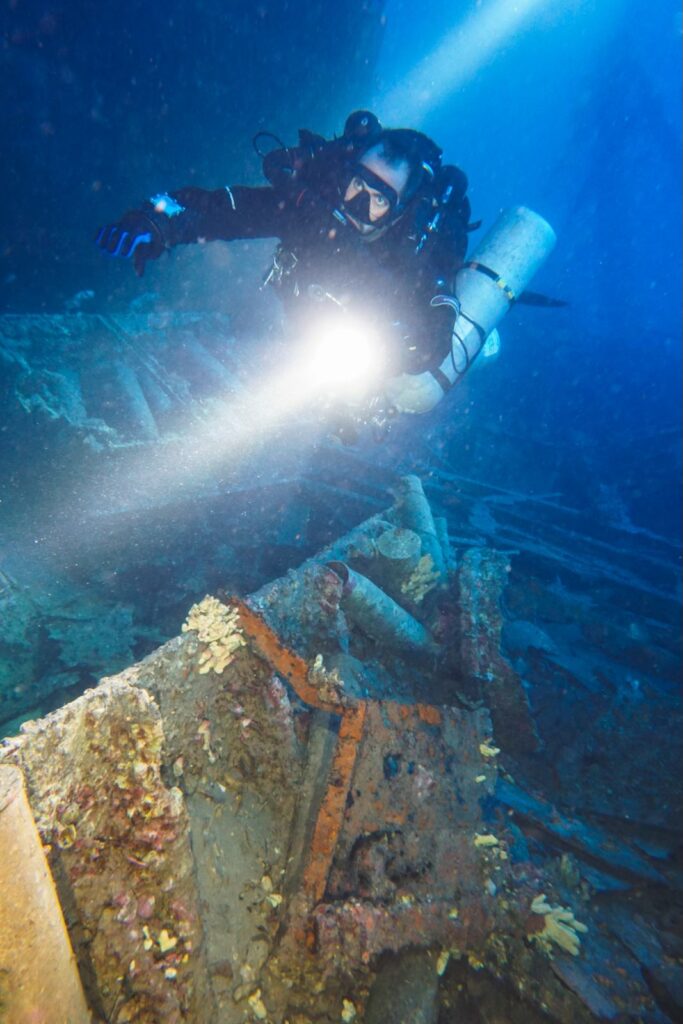
Mike was originally SCUBA certified in 2009, in Seattle.
After a 2010 trip to the Great Barrier Reef, he was hooked! Upon return he earned his Advanced and Rescue right away and quickly logged a few hundred dives. In 2013 he completed Divemaster certification and in 2014 entered Technical “Tech” Diving. Mike became a PADI instructor as well as a closed circuit rebreather (CCR) diver in 2015. In 2016 he completed his Mod2 and Mod3 classes on the rebreather certifying him to 100m using trimix. This is where he fell in love with shipwrecks and returned to Seattle and has been diving with them ever since. In 2018 Mike became a TDI technical diving instructor. Mike has issued hundreds of certifications from beginner to technical over the last 10 years.
Mike is passionate about all things diving and wrecks. Especially in Lake Washington and around the sound. Name a wreck in the area and Mike has probably dived it or has it in his bucket list. His favorite wreck in the lake is YMS Unknown or the tugboat SL Dowell. His favorite wreck in the sound is the SS Governor, which he is one of probably about 100 people to have had the chance to dive. Mike’s favorite dive travel location is the WWI and WWII wrecks of Malta, but Truk Lagoon and the Great Lakes are close second and third place. There is always something new to dive and to learn!
When he’s not diving, Mike has worked in the tech industry for nearly 20 years including leadership positions at large companies.
Craig Andes, Head of Oregon & California Operations
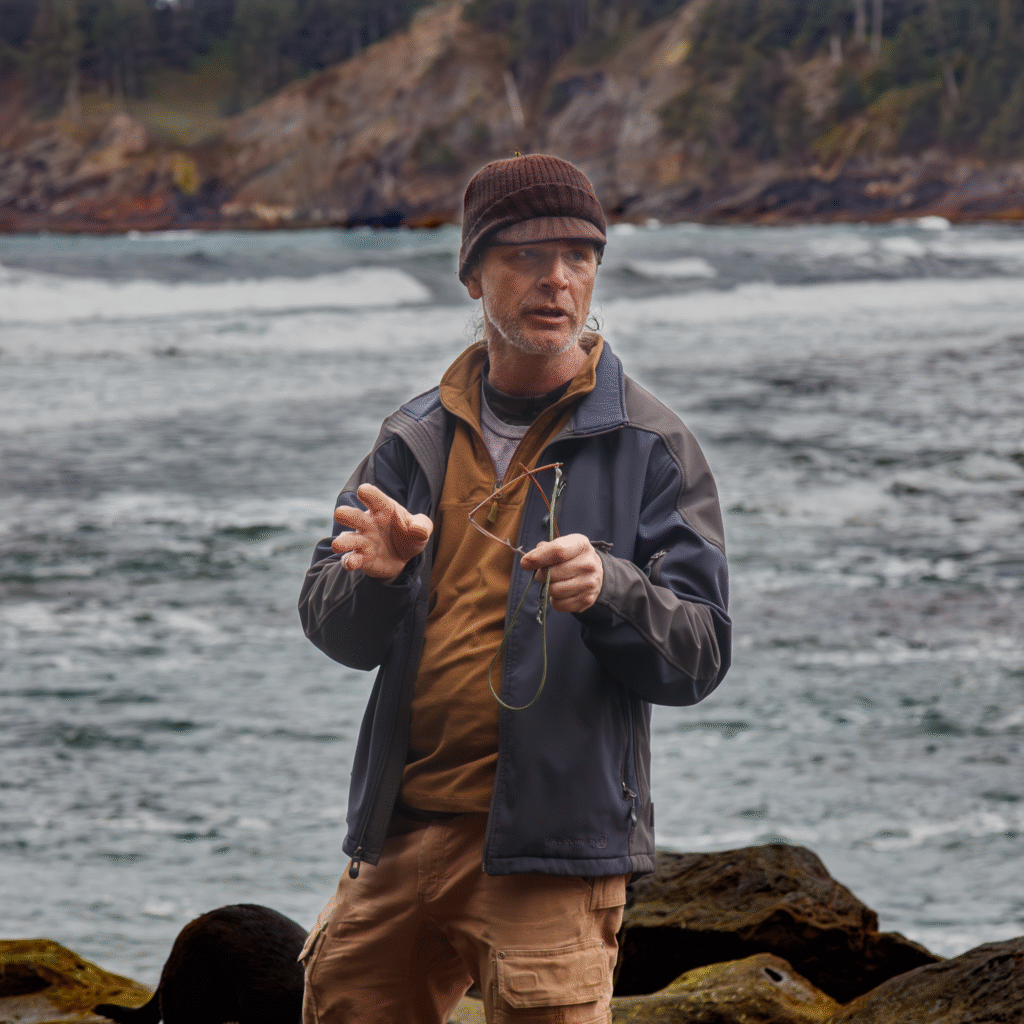
Craig Andes grew up in Tillamook County along the rugged Oregon Coast, where he developed an early fascination with the region’s shipwrecks, buried treasures, and the cultural history of the Nehalem and Clatsop peoples. As a teenager, he earned his SCUBA certification and began what would become a lifelong exploration of the seafloor in an area known for extremely challenging surf, swell, and current conditions. Craig also cultivated a deep interest in geology and mining, giving him a strong understanding of both shoreline processes and offshore terrain. As an adult, he built a career as a commercial clam fisherman and commercial diver.
As a young teen, Craig saw the film The Goonies—an experience that sparked a revelation when he learned from local community members that the story echoed a real legend. For centuries, Native oral histories and early accounts, including those recorded by Lewis and Clark in 1805–06, described a very old wreck carrying beeswax and luxury goods such as Chinese porcelain that came ashore long before Euro-American settlement. This discovery ignited Craig’s lifelong passion to research, document, and ultimately identify the ship known locally as the “Beeswax Wreck.”
In 2013, Craig discovered a cluster of mysterious ship timbers inside a sea cave near Manzanita, Oregon, in a region where 17th-century Chinese porcelain sherds frequently washed ashore. Suspecting a connection to the legendary wreck, he contacted archaeologist Scott Williams, who was then investigating the site with the Maritime Archaeological Society (MAS) of Astoria. Though initially skeptical that wooden timbers could survive for centuries in such conditions, Williams agreed to submit samples for analysis. Laboratory results confirmed Craig’s suspicions: the timbers were Philippine hardwood cut in the 1600s. This breakthrough helped Craig and Williams’ MAS team identify the wreck as the Spanish Manila galleon Santo Cristo de Burgos, lost in 1693—now recognized as the oldest confirmed shipwreck on the U.S. West Coast.
Craig has since led multiple NSA expeditions to regional wreck sites and oversees several ongoing projects along the Oregon and California coasts. His discoveries and fieldwork have been featured widely in national and international media, including major press outlets and television programs such as National Geographic’s Drain the Oceans and Expedition Unknown with Josh Gates.
Mission & Vision
The National Shipwreck Alliance (NSA) is a Washington state nonprofit created to bridge the gap between local and regional nonprofit historical organizations/museums and the technology and expertise required to discover, recover and preserve shipwreck artifacts and other important submerged historical resources.
Discover: Locating shipwrecks and submerged historic resources is outside the capability of most local historical societies and museums. While a particular shipwreck or submerged resource might play an important role in the history of the community or region it serves, its ability to present that story in the fullest and most engaging way is highly limited due to the research and technical difficulties associated in seafloor, lake and river bottom searches.
Recover: Even if an underwater site location is known, it needs to be approached under the auspices of trained underwater archeologists coordinating with the state and federal agencies that have jurisdiction over these resources. In addition to those basic requirements, water depths and other environmental conditions often place these sites well beyond the reach of recreational SCUBA and even commercial divers, making the use of advanced underwater exploration and recovery technology mandatory.
Preserve: In some cases, “preservation” can entail the costly and complex procedures of working with actual physical relics or even entire vessels recovered from the bottom, but in other cases the optimal means of preserving a wreck or resource might be simply making a detailed sonar and photo/video survey of the site, a technique employed with great success and to the general public’s fascination with such shipwrecks as the HMS Titanic and German battleship Bismark.
In addition, the NSA preforms extensive independent historical research and underwater exploration of its own projects and seeks to record those efforts through documentary film production.
The NSA has devoted itself to assisting nonprofit historical organizations in accessing shipwrecks and submerged resources so they can present those stories to the communities they serve. By creating alliances between the historical nonprofit community and the marine technology commercial sector, the NSA makes possible underwater projects previously deemed impossible.